
kaucim.ai / Jiaobei
Jiaobei Moon Blocks Online
Hold one clear yes-or-no question. Cast once, then accept the first pattern before deciding what to do next.
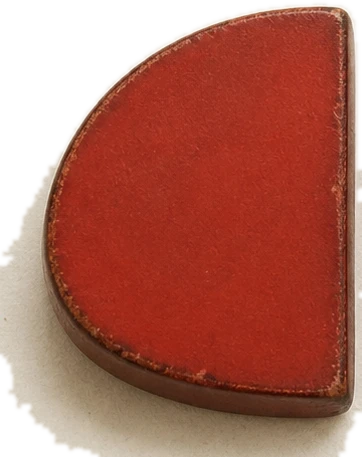
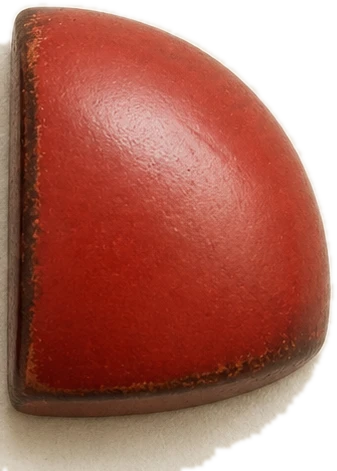
Cast the Moon Blocks
Hold a yes-or-no question in your mind
Quiet the question before you cast
What Are Jiaobei (Moon Blocks)?
Jiaobei are two crescent-shaped wooden blocks used for yes-or-no divination in Chinese temple practice. Each block has one flat face and one curved face. A worshipper holds a single question in mind, releases the pair, and reads the landing pattern as a response. The form is simple, but the logic is disciplined: one question, one toss, one answer.
On a temple floor, jiaobei often accompany a longer rite such as fortune-stick drawing. Online, they work best when treated as a reflective simulator rather than a theatrical replacement for the physical ritual. That distinction matters. The point is not spectacle. The point is clarity.
The Three Answers Explained
Sheng Bei — Sacred Cup
One flat face, one curved face. The direction is confirmed, but the result and pace are still yours to judge.
Xiao Bei — Laughing Cup
Two flat faces. The question needs more focus. Narrow it to one decision before casting again.
Yin Bei — Negative Cup
Two curved faces. The direction is not confirmed. Pause before approaching it from another angle.
How to Use Jiaobei Online
- Reduce the question to one real yes-or-no decision.
- Hold that question for one breath before you toss.
- Accept the first pattern, pause, then decide whether you need a longer fortune-stick reading.
Jiaobei vs Fortune Sticks
Jiaobei gives three concise responses: the direction is confirmed, the question needs more focus, or the direction is not confirmed. Fortune sticks do the opposite. They expand the situation into poem, metaphor, and layered interpretation. If you need fast confirmation, start with jiaobei. If you need context, draw a longer reading.
That is why this page points back to fortune sticks. One tool sharpens the question. The other gives the question room to unfold. Between the two sits a third option: cast a Plum Blossom hexagram from two numbers and read the structure of the matter, rather than a verdict on it. For broader context, see the existing jiaobei guide, the fortune-stick drawing guide, and the longer online fortune overview. If you need site context rather than ritual context, read about kaucim.ai.
More ways to ask on kaucim.ai: draw a fortune stick, cast the nine palaces, or open the full catalog of readings.
Frequently Asked Questions
- What are jiaobei moon blocks?
- Jiaobei are two crescent-shaped wooden divination blocks used in Chinese temples for yes-or-no confirmation. One side is flat, one side is curved, and the landing pattern gives one of three responses.
- What does Sheng Bei mean?
- Sheng Bei means one flat side and one curved side. It confirms the direction or the selected fortune stick, but it does not promise the outcome.
- What does Xiao Bei mean?
- Xiao Bei means both blocks land flat-side up. It means the question needs more focus. Narrow it to one clear yes-or-no decision before casting again.
- What does Yin Bei mean?
- Yin Bei means both blocks land curved-side up. It means the direction or selected fortune stick is not confirmed. Pause before approaching it from another angle.
- Can jiaobei be done online?
- An online toss cannot replace the material reality of a temple floor, but it can preserve the structure of the ritual: hold one question, receive one pattern, and reflect on the answer with focus.
- What is the difference between jiaobei and fortune sticks?
- Jiaobei are a fast yes-or-no confirmation method. Fortune sticks are longer-form poetic readings. In temple practice, the two are often complementary rather than interchangeable.