
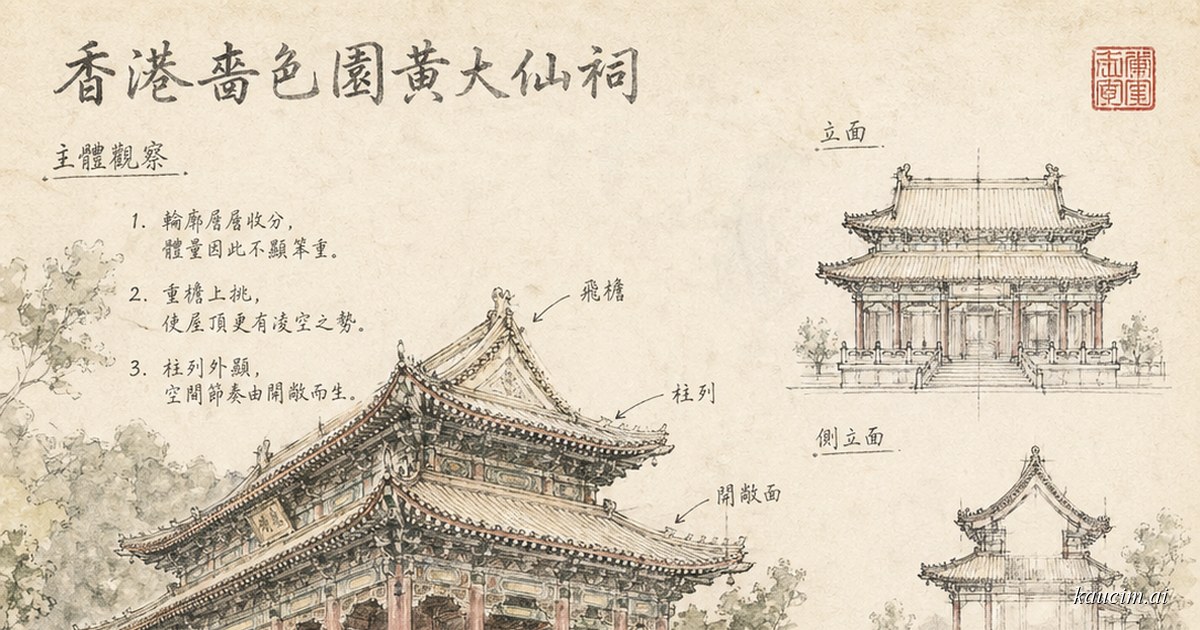
Wong Tai Sin Fortune Sticks for Love: Sticks #48, #57, #93 Explained
Wong Tai Sin's 100 fortune sticks answer love questions by matching your situation to a classical Chinese poem, each graded from 上上 (superior-superior) to 下下 (inferior-inferior). For love questions, three sticks, #48, #57, #93, come up repeatedly because each names a different way love goes wrong in modern relationships: self-sacrifice, impatience, and self-deception.
At kaucim.ai, we read these sticks as psychological mirrors, not crystal balls. The stick doesn't predict whether he'll propose. It forces you to notice what you already know about the relationship you're in.
For the drawing method and neighboring interpretations, continue with Wong Tai Sin Fortune Sticks for Career Decisions and Wong Tai Sin Fortune Sticks for Money and Wealth.
What Love Questions Do People Ask at Wong Tai Sin?
Five kinds of love questions come up repeatedly at kaucim.ai. The sticks answer each differently, the same question can mean opposite things depending on which stick matches your situation.
New relationships, Is this person right for me? Should I pursue them?
Marriage timing: Should I marry this person? Why hasn't he proposed?
Breakup decisions, Should I leave? Can this be saved?
Reconciliation: Will they come back? Is there still hope?
Fertility, When will we have children? Should we try IVF? (Couples also ask whether the sticks can call a baby's gender.)
Take "Should I leave?" Drawn as a 下下 stick, it means "leaving would be disastrous right now." Drawn as a 上吉 stick, the same question means "the path out is ready for you."
Why Doesn't a 上上 Stick Mean Wedding Bells?
A 上上 stick for a love question doesn't mean engagement by Christmas. It means you're reading your situation correctly. You still have to walk the path, the stick just confirms you're facing the right direction.
The grading system measures resonance between your intent and the stick's classical story, not the romantic comedy ending. The full grading guide explains all five levels. For love specifically: 上上 means "keep going, your read on this is accurate"; 下下 means "something in this picture is broken, look again."
This is the 以籤觀心 (yi qian guan xin) tradition, reading the heart through the stick. The stick is a mirror, not a verdict.
Which Sticks Come Up Most for Love Questions?
Three sticks are worth knowing for love questions, because each names a different failure mode: #48, #57, #93. Each names a different way love goes wrong.
Stick #48: 文君賣酒 (中平): Are You Willing to Run the Wine Shop?
The sign tells the story of Zhuo Wenjun, an aristocratic widow who fell for the penniless poet Sima Xiangru and eloped with him. They opened a wine shop together in Linqiong. She lost her family's approval, her social status, her comfortable life, but the marriage lasted because she was willing to stand behind the counter and sell wine alongside him.
The hook kaucim.ai attaches to this stick: "Someone willing to open a wine shop with you is more reliable than someone promising forever."
When this stick shows up for "should we get married?" or "is this the one?", the question behind the question becomes: does this relationship have shared-reality wine shop, or only moonlit promises? The full reading pushes you to audit what's actually shared between you, not what's sworn.
Stick #57: 賣花得美 (中吉): The Flower Seller Has Entered the Alley
The sign describes a spring morning after rain has stopped. Footsteps echo in a quiet street. Then the voice of a flower seller entering the alley. The visitor walks slowly and picks one branch.
The hook: "Slow your pace. The flower seller has already entered the alley."
For love, this stick typically answers "is there someone for me?" or "should I keep waiting?" The answer is operational: the opportunity is closer than you think, but rushing will miss it. Read the full interpretation to see why the lover most likely to stay is the one who is already, quietly, in your life.
Stick #93: 鄭王失位 (下下), You Already Heard Something's Wrong
The sign references the "decadent music of Zheng and Wei", melodies that sounded beautiful but were culturally corrosive, leading to the ruin of a state.
The hook: "You already heard it wasn't right. You just don't want to cover your ears yet."
This stick is the hardest to draw for a love question. Its core message: someone in the picture is being deceptive, sweet talk that doesn't match actions, promises that keep slipping, a story about the relationship that shifts depending on who's listening. The full reading includes concrete self-check questions: whose version keeps changing, yours, theirs, or both?
What if You Draw a 下下 Stick for a Love Question?
A 下下 stick doesn't mean the relationship is over. It means the current plan would backfire if you executed it now.
What each level means:
下下 (Poor): Stop. Whatever you're planning would backfire if you did it now. Not "never", "definitely not now."
中平 (Average): Mixed signals, and the most common draw by far. One of you isn't ready. Pushing forward brings friction rather than progress.
中吉 (Moderately Good): The direction holds, but there's a condition attached somewhere in the verse. Find it before you move.
Not every 下下 reading ends well. Sometimes the stick is saying "yes, this relationship is truly toxic, leave." The honest interpretation guide walks through how to tell the difference.
How Should You Ask a Love Question at Wong Tai Sin?
The difference between a useful reading and a useless one is how specific the question is. "Will I find love?" gets vague answers. "Should I accept the job transfer knowing it means long-distance with my partner?" gets an operational one.
Five rules regular visitors follow:
Be specific. The sticks answer questions, not wishes. Frame a concrete decision.
Check your intention. Coming to "test the system" wastes your time.
Consider multiple angles. Draw one stick for "should I stay?" and another for "should I leave?", the contrast is often the real answer.
Don't stick-shop. Drawing repeatedly until you get the answer you want defeats the point.
Bring a friend. Love makes people selectively blind. Someone outside the relationship helps you see what you don't want to see.
How to draw the sticks correctly matters less than coming with a question you're actually willing to hear the answer to.
Frequently asked questions
Which Wong Tai Sin stick numbers are best for love questions?
No stick is universally best, the match between your situation and the stick's classical story matters more than the grade. That said, #48, #57, and #93 are worth knowing because they name three different ways love goes wrong in modern relationships: self-sacrifice, impatience, and self-deception.
Can I ask Wong Tai Sin fortune sticks about someone specific?
Yes, but frame the question about your own path. Instead of 'Does he love me?' ask 'Should I continue investing in this relationship?' The sticks guide your decisions; they don't read someone else's mind.
What if my partner and I draw conflicting sticks about our relationship?
This happens often and is usually revealing. Two people in the same relationship experience it differently. Read both sticks as pieces of the same picture rather than contradictions.
How often can I ask the same love question?
Traditional guidance is to wait at least one lunar month before asking the same question, unless circumstances significantly change. Repeatedly drawing sticks hoping for a different answer shows you're not ready to hear the first one.
Do online Wong Tai Sin fortune sticks work for love questions?
They work when you approach with the same sincerity as at the physical temple. Interpretation and reflection are where the wisdom lives. kaucim.ai's online fortune sticks use the traditional 100-stick system with verified classical interpretations.